Wednesday, February 15, 2012

Arucaria mirabilis Fossil Lignotubers

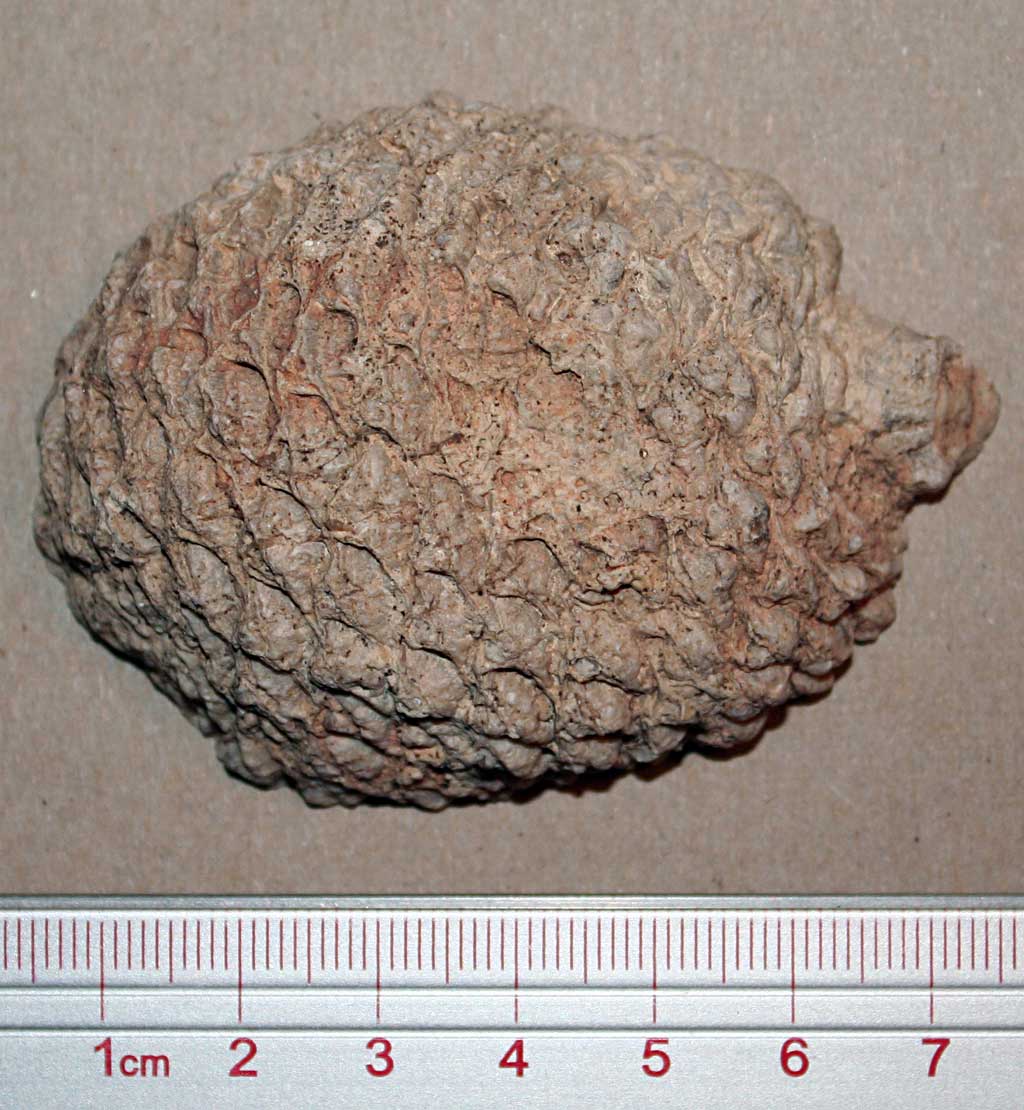
Arucaria mirabilis fossil "seedlings" (lignotubers) found in the petrified forest formation of Cerro Madre Ehija, Santa Cruz province, Argentina. Fossil dates to the Middle Jurassic Period (Callovian) or about 160 million years old. Learn more about this fossil at The Virtual Fossil Museum web site and Wikipedia.

UPDATED: Thanks to Dave at Views of the Mahantango for pointing out that these fossils were once considered "seedlings" are now thought to be lignotubers. According to Wikipedia, lignotubers are "starchy swellings of the root crown".

Thanks to Mark Palatas for letting me photograph these specimens.


Tuesday, February 14, 2012

Araucaria mirabilis Cone Fossil

Araucaria mirabilis (Spegazzini/Windhausen, 1924) sliced and polished "pine" cone fossil found in the petrified forest formation of Santa Cruz province, Argentina. Fossil dates to the Middle Jurassic Period (Callovian) or about 160 million years old. Learn more about this fossil at The Virtual Fossil Museum web site and Wikipedia.

Thanks to Mark Palatas for letting me photograph this specimen.


Monday, February 13, 2012

Visit Falls of the Ohio State Park

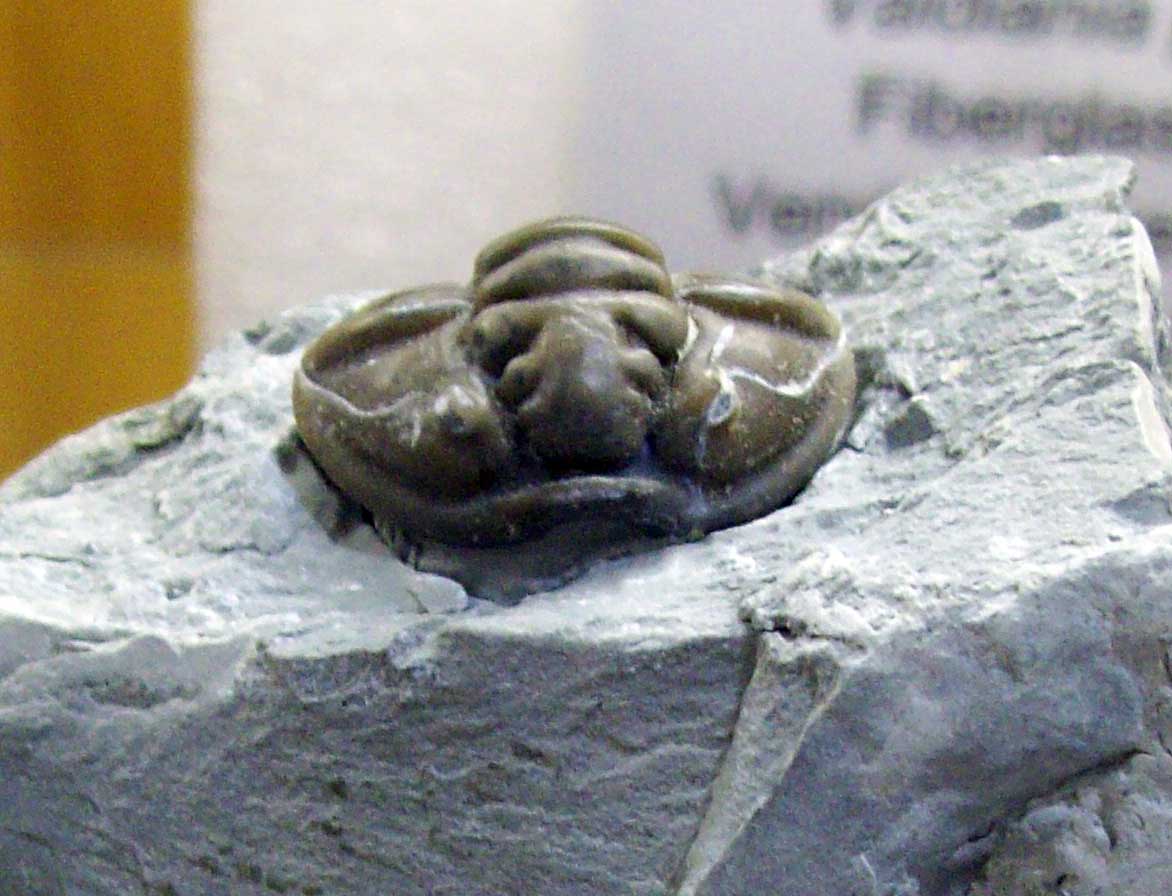
Recently, I visited the interpretive center at the Falls of the Ohio State Park in Clarksville, Indiana located across the Ohio River from Louisville, Kentucky. They have two temporary fossil displays that have nice specimens to observe. The first image is of an enrolled Flexicalymene meeki trilobite from the Ordovican found in Hamilton County, Ohio.

This next image is of the Eocene fish fossil Knightea sp. found in the famous locality of Green River Formation (Kemmerer, Wyoming).

Followed by an imprint of snail in a stromatoporoid of the Jeffersonville Limestone (Middle Devonian) Oldham County, Kentucky.
Above are images of Baculites cephalopod fossils of Upper Cretaceous of South Dakota.

Pelecypod fossil embedded in an ironstone nodule of the Upper Pennsylvanian Period found in Grundy County, Illinois.
Calamites plant fossil found in the Pennsylvanian Period layers of Vigo County, Indiana. Plant is similar to the modern horsetail rush (Equisetum hyemele).