Sunday, July 20, 2014
Pteranodon Flying Reptile Stamp
Here is a picture of the Pteranodon flying reptile stamp. It was issued in 1965 by the small republic of San Marino (located on the Italian peninsula). It had a value of 3 lire but the country now uses the euro as their currency. The U.S. Government Printing Office (GPO) website has a 1965 listing of currency rate exchanges. One United States dollar was equivalent to 625 Italian lire. So this stamp was worth about 1/2 American cent in 1965. The stamp was part of collection of nine issued that year.
The Pteranodon existed in the Late Cretaceous Period (100-66 mya). The fossil was named by Othniel Charles Marsh in 1876.
San Marino is a very small country located inside of northern Italy. It is about 61 square kilometers in size with a population of about 30,000 people. One of their chief sources of income is tourism. They sell stamps and coins to tourists. More than likely these ancient animal stamps were part that income stream.
Sources:
http://en.wikipedia.org/wiki/San_marino
http://en.wikipedia.org/wiki/Economy_of_San_Marino
http://www.gpo.gov/fdsys/pkg/GOVPUB-T63_100-d2630baf32592aadaaefa5ce3310fb36/pdf/GOVPUB-T63_100-d2630baf32592aadaaefa5ce3310fb36.pdf
http://en.wikipedia.org/wiki/Pteranodon
Labels:
Cretaceous,
flying reptile,
san marino stamp
Saturday, July 12, 2014
Pecten jacobaeus Bivalve Fossil
Here is a picture of a pelecypod fossil housed in a display case at the Geologia building located on the campus of Sapienza University of Rome. The case can be found on the second floor of the building. The fossil is called Pecten jacobaeus and lived during the Pliocene Period. The fossil was found in Roman countryside.
The university was founded in 1303 by Pope Boniface VIII. In 1870, it became a public university for the state of Italy.
Labels:
italy,
pelecypod,
pliocene,
sapienza university of rome
Friday, July 11, 2014
Bothrophyllum Horn Coral Fossil
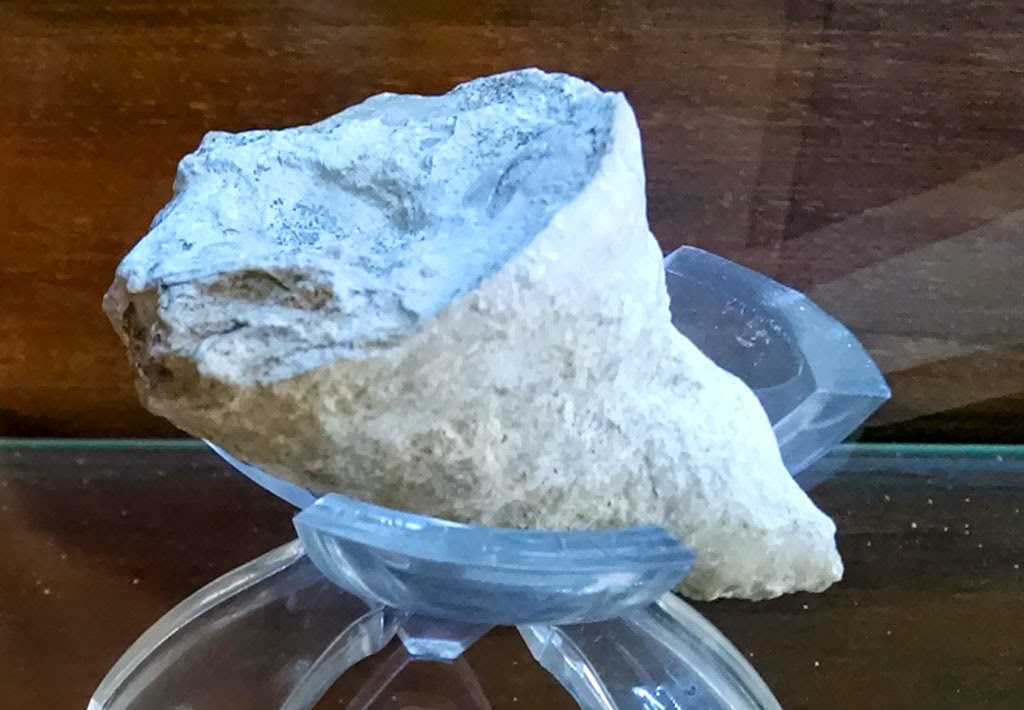
Here is a picture of a horn coral fossil housed in a display case at the Geologia building located on the campus of Sapienza University of Rome. The case can be found on the second floor of the building. The fossil is called Bothrophyllum conicum and lived during the Carboniferous Period. The fossil was found in Russia.
The university was founded in 1303 by Pope Boniface VIII. In 1870, it became a public university for the state of Italy.
Labels:
carboniferous,
horn coral,
italy,
russia,
sapienza university of rome
Subscribe to:
Posts (Atom)