Sunday, January 15, 2012
Pentamerus nysius Brachiopod
A Pentamerus nysius brachiopod found in the Niagaran layer of Jefferson County, Kentucky. This fossil is one of the larger brachiopods found in the area. This Silurian Period creature tended to fossilize together. Thanks to Kenny for extracting it.
Labels:
brachiopod,
louisville limestone,
silurian
Friday, January 13, 2012
The Camouflaged Fossil
So I am out in the field and picking up limestone plates that contain sections of Archimedes bryozoan like the one shown in this picture. One hopes to find Fenestella attached to the outer grove edges of the Archimedes that will be preserved in the plate. For the most part, it is just the screw part that is found.
This posting is about camouflaged fossils and when this limestone plate gets wet, it reveals the presence of a white crinoid arm. Not sure of the crinoid's identity but it was surprise when it was cleaned. Last image shows plate with ruler to give one some idea of its size.
The lesson I take away from this, is sometimes things are not as they first appear.
This posting is about camouflaged fossils and when this limestone plate gets wet, it reveals the presence of a white crinoid arm. Not sure of the crinoid's identity but it was surprise when it was cleaned. Last image shows plate with ruler to give one some idea of its size.
The lesson I take away from this, is sometimes things are not as they first appear.
Labels:
bryozoan,
crinoid,
indiana,
mississippian
Thursday, January 12, 2012
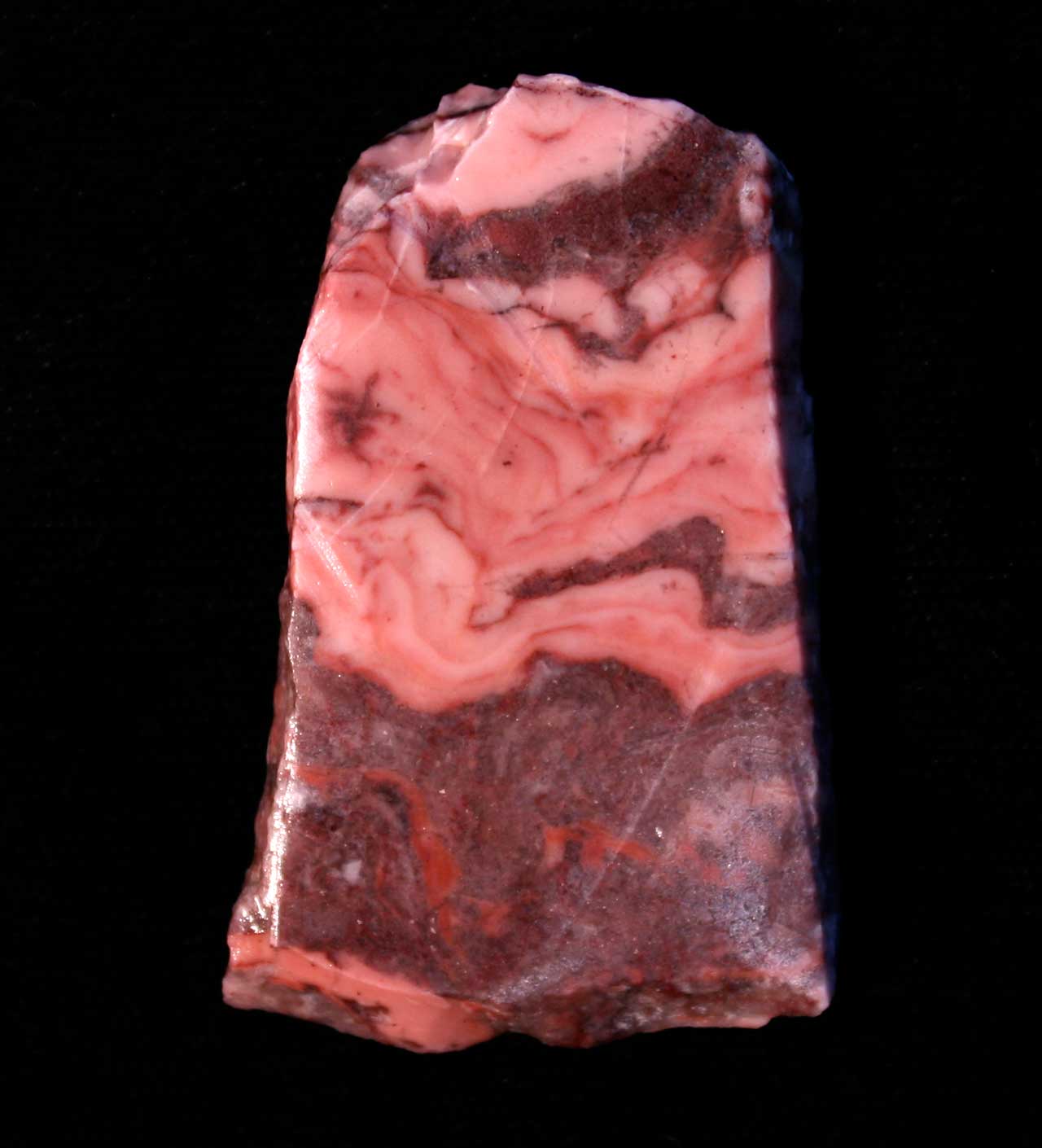
Billion Year Old American Fossils
Kona Dolomite dated to over 2 billion years old. Thought to be a
cyanobacteria colony (stromatolite). Found in the Kona Hills of
Marquette County, Michigan. These early oxygen producers paved the way
for more advanced lifeforms of the future.
These pieces were cut off a larger block and have just been sanded down. I started using a sanding wheel with a belt sander attachment for the first time. Sure beats doing it by hand as I have done in the past! Next step is to hand sand these pieces with wet sandpaper and then polish it with the Dremel tool.
The slabs were photographed wet to bring out nice colors.
Thanks to Kenny for helping me cut the slab with a diamond saw.
These pieces were cut off a larger block and have just been sanded down. I started using a sanding wheel with a belt sander attachment for the first time. Sure beats doing it by hand as I have done in the past! Next step is to hand sand these pieces with wet sandpaper and then polish it with the Dremel tool.
The slabs were photographed wet to bring out nice colors.
Thanks to Kenny for helping me cut the slab with a diamond saw.
Labels:
cyanobacteria,
kona dolomite,
michigan,
precambrian,
stromatolites
Subscribe to:
Posts (Atom)