Showing posts with label russia. Show all posts
Sunday, January 5, 2025
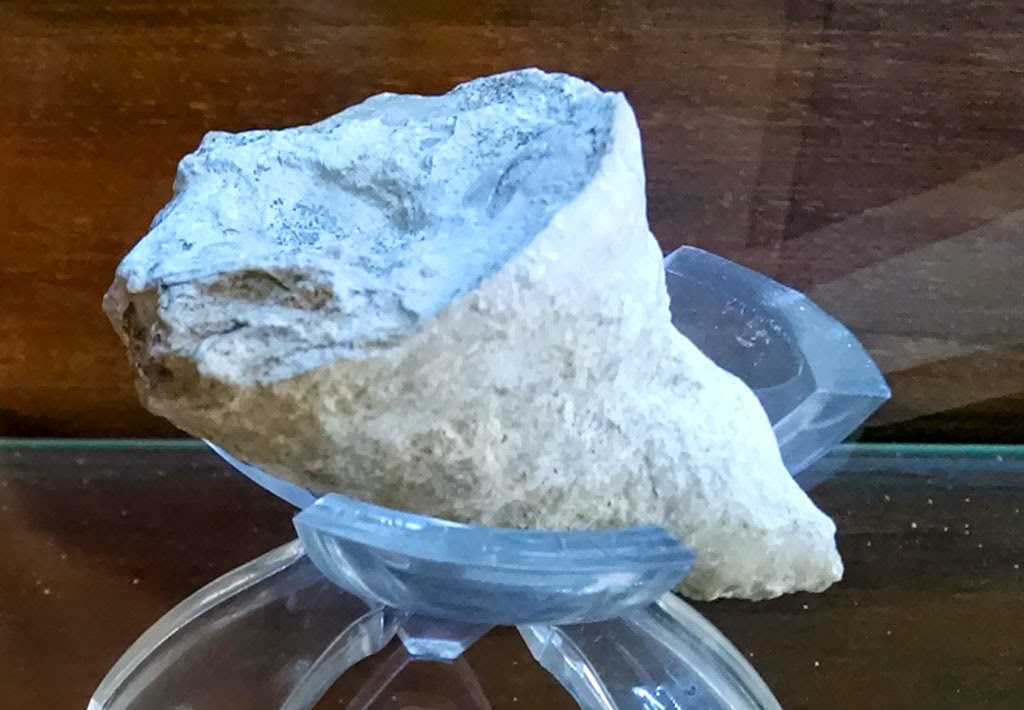
Audouliceras renauxianum Ammonite Fossil
This image is of an Audouliceras renauxianum (d'Orbigny 1842) ammonite fossil. The animal existed in the Cretaceous Period. Fossil was discovered in Uljanowsk, Russia. Fossil was on display at the Natural History Museum Vienna (Naturhistorisches Museum Wien) on August 2024.
Labels:
ammonite,
Cretaceous,
Naturhistorisches Museum Wien,
russia
Thursday, December 12, 2024
Hoplolichoides conicotuberculatus Trilobite Fossil
This picture is of a Hoplolichoides conicotuberculatus (Nieszkowski, 1859) trilobite fossil. It existed during the Ordovician period. The fossil was found in St. Petersburg, Russia. Fossil was on display at the Natural History Museum Vienna (Naturhistorisches Museum Wien) on August 2024.
Labels:
Naturhistorisches Museum Wien,
ordovician,
russia,
Trilobite
Monday, June 27, 2022
Pliomera fischeri Trilobite Fossils
This picture is of a Pliomera fischeri (Eichwald,1825) trilobite fossils. They were found in Leningrad, Soviet Union.. The fossil dates to Silurian Period. Fossil displayed at Muséum National D'Historie Naturelle Jardin Des Plantes Paléontologie et Anatomie Comparée, Paris, France. Image taken August 2016.
Labels:
russia,
silurian,
soviet union,
Trilobite
Tuesday, December 4, 2018
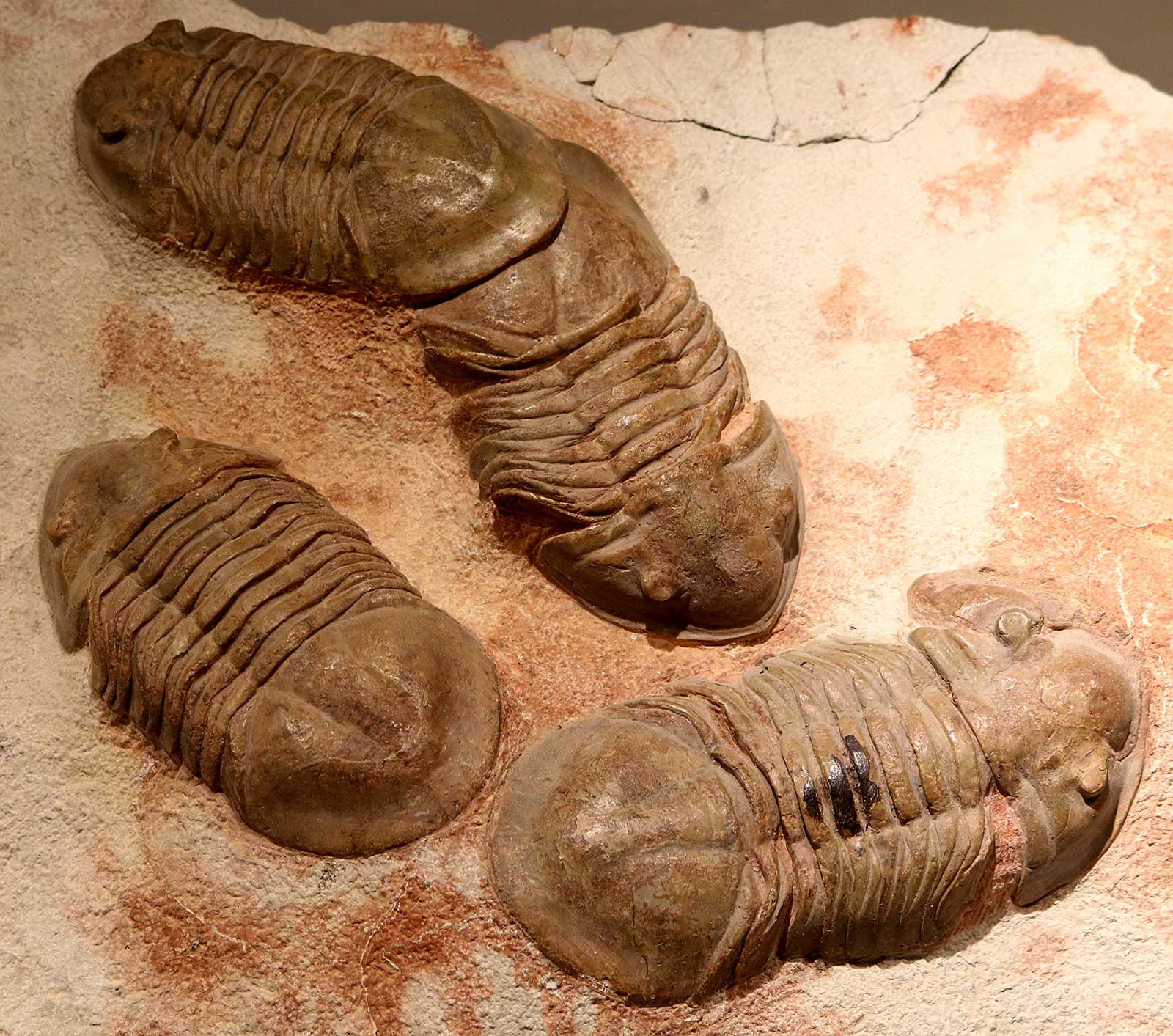
Asaphus expansus Trilobite Fossil
This trilobite fossil was on display at the American Museum of Natural History (AMNH) in New York city in July 2018. The trilobite fossil is named Asaphus expansus. It was found in the Wolchow River of St. Petersburg, Russia and dates to the Ordovician Period.
Their trilobite exhibit was made possible by Dr. Martin Shugar, M.D. and Andy Secher who are also editors for the AMNH trilobite web site.
Thursday, November 29, 2018
Xenasaphus devexus Trilobite Fossils
This trilobite fossil was on display at the American Museum of Natural History (AMNH) in New York city in July 2018. The trilobite fossil is named Xenasaphus devexus. It was found in the Wolchow River of St. Petersburg, Russia and dates to the Ordovician Period.
Their trilobite exhibit was made possible by Dr. Martin Shugar, M.D. and Andy Secher who are also editors for the AMNH trilobite web site.
Monday, November 26, 2018
Cybele bellatula Trilobite Fossil
This trilobite fossil was on display at the American Museum of Natural History (AMNH) in New York city in July 2018. The trilobite fossil is named Cybele bellatula. It was found in the Wolchow River of St. Petersburg, Russia and dates to the Ordovician Period. Accession number is Fl-78841. Donated by the family of James Kaste.
Their trilobite exhibit was made possible by Dr. Martin Shugar, M.D. and Andy Secher who are also editors for the AMNH trilobite web site.
Friday, November 23, 2018
Paraceraurus exsul Trilobite Fossil
I visited the American Museum of Natural History (AMNH) in New York city in July 2018. In the Grand Gallery was a trilobite display case with world-class specimens. This trilobite fossil was in the Ordovician section and named Paraceraurus exsul . It was found in the Asery Formation of St. Petersburg, Russia. Accession number is Fl-74833 and was donated by the family of James Kaste.
Learn more about the museum at https://www.amnh.org/
Their trilobite exhibit was made possible by Dr. Martin Shugar, M.D. and Andy Secher who are also editors for the AMNH trilobite web site.
Tuesday, July 24, 2018
Asaphus Trilobite Fossil Displayed at AMNH
I visited the American Museum of Natural History (AMNH) in New York city this month. It is a massive museum that I could not see in one day. Not for a lack of trying, in that I arrived well before they opened and left when they were about to close. My camera battery depleted about 30 minutes before I left.
While impressive displays and specimens are shown there, for an invertebrate fossil enthusiast, I was a little disappointed. They list their collection of these types of fossils at over 400,000 specimens but I think saw less than 30 on display. In the Grand Gallery was a trilobite display case with world-class specimens. This trilobite fossil was in the Ordovician section and named Asaphus kowalewskii. It was found in the Asery Formation of St. Petersburg, Russia. Accession number is Fl-74836 and was donated by the family of James Kaste.
The museum is a great place to visit. Their dinosaur collection has to be one of the best on Earth and I really liked the display on fossil sharks. Learn more about the museum at https://www.amnh.org/
Their trilobite exhibit was made possible by Dr. Martin Shugar, M.D. and Andy Secher who are also editors for the AMNH trilobite web site.
Sunday, August 27, 2017
Coeloma Crab Fossil from Russia
This image is of Coeloma taunicum crab fossils on display at Mace Brown Museum of Natural History (August 2017). They date to the Oligocene Epoch (about 25 million years ago), Paleogene Period. The fossil was found in Kazakhstan, Russia.
The Mace Brown Museum of Natural History is located at the College of Charleston, 202 Calhoun Street, 2nd Floor, Charleston, South Carolina 29424.
Learn more at their blog: http://blogs.cofc.edu/macebrownmuseum/
Tuesday, August 30, 2016
Benthosuchus Fossil Amphibian Skull
Picture is of a Benthosuchus sushkini amphibian skull fossil. It dates to the Triassic Period. Fossil found in Scharzhenga River of Vachnevo Russia. Extinct creature is a distant relative to today's salamanders and frogs. It lived in rivers and lakes of what is now eastern Europe.
Fossil on display August 2016 in Natural History Museum of London, England.
Labels:
amphibian,
natural history museum london,
russia,
skull,
triassic
Thursday, August 28, 2014
Russian Cadoceras Ammonite Fossil
Here is a picture of a Cadoceras sp. ammonite fossil at the Museo di Paleontologia at Sapienza University of Rome Italy. Creatures like this existed in the middle Jurassic Period (ICS geological timescale: Callovian). Fossil was found in Micailov, Russia.
Image taken in June 2014.
Labels:
ammonite,
jurassic,
russia,
sapienza university of rome
Friday, July 11, 2014
Bothrophyllum Horn Coral Fossil
Here is a picture of a horn coral fossil housed in a display case at the Geologia building located on the campus of Sapienza University of Rome. The case can be found on the second floor of the building. The fossil is called Bothrophyllum conicum and lived during the Carboniferous Period. The fossil was found in Russia.
The university was founded in 1303 by Pope Boniface VIII. In 1870, it became a public university for the state of Italy.
Labels:
carboniferous,
horn coral,
italy,
russia,
sapienza university of rome
Thursday, July 3, 2014
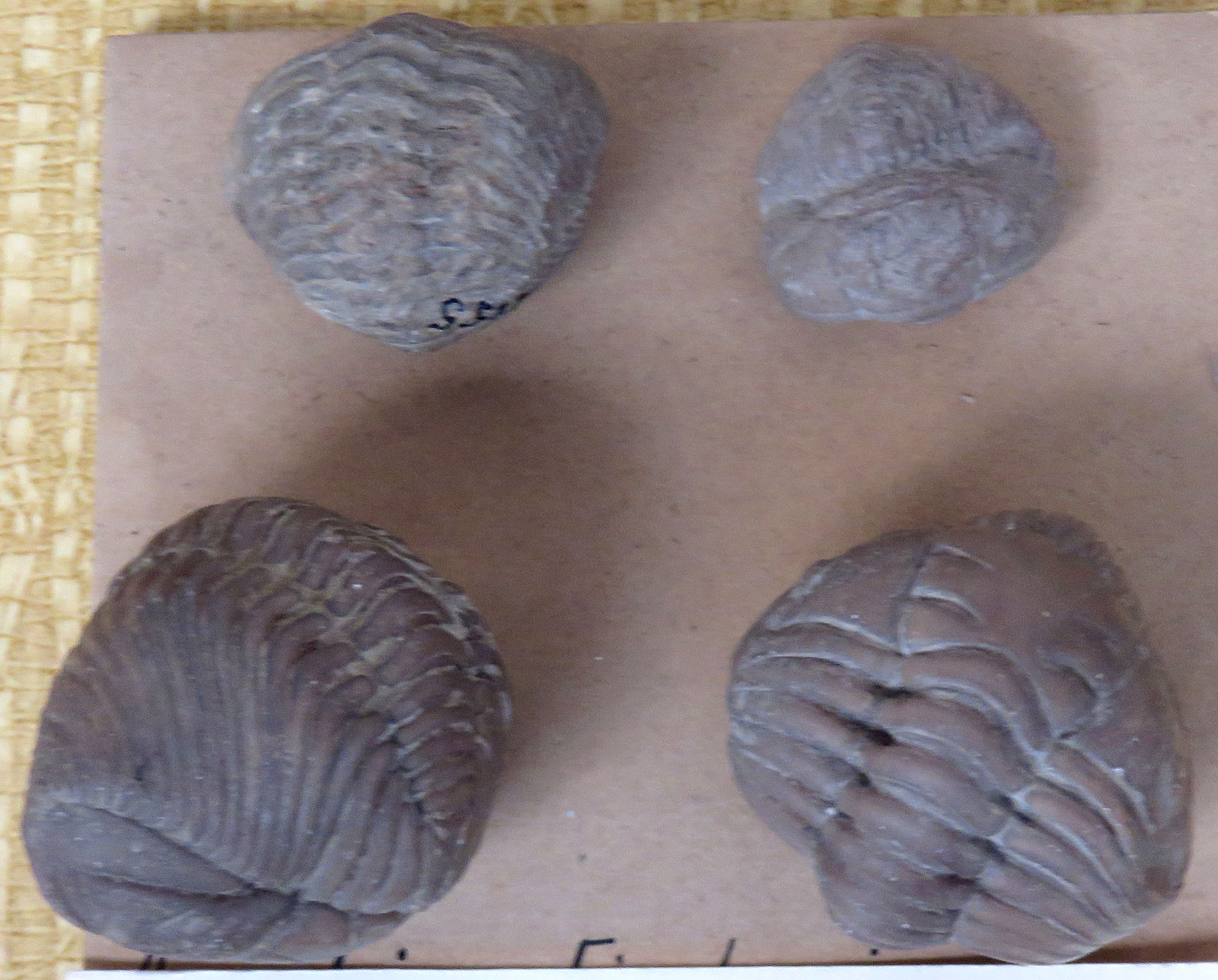
Choristites mosquensis Brachiopod Fossil of Russia
Here is a picture of a fossil housed in a display case at the Geologia building located on the campus of Sapienza University of Rome. The case can be found on the second floor of the building. The brachiopod fossil is called Choristites mosquensis. It lived in Carboniferous Period. The specimen was found in the Russia (maybe near Moscow?). Image taken in June 2014.
Sources:
http://www.ammonit.ru/foto/5687.htm
http://www.eco-mnepu.narod.ru/fbrah.htm
Labels:
brachiopod,
carboniferous,
russia,
sapienza university of rome
Subscribe to:
Posts (Atom)