Saturday, August 20, 2022

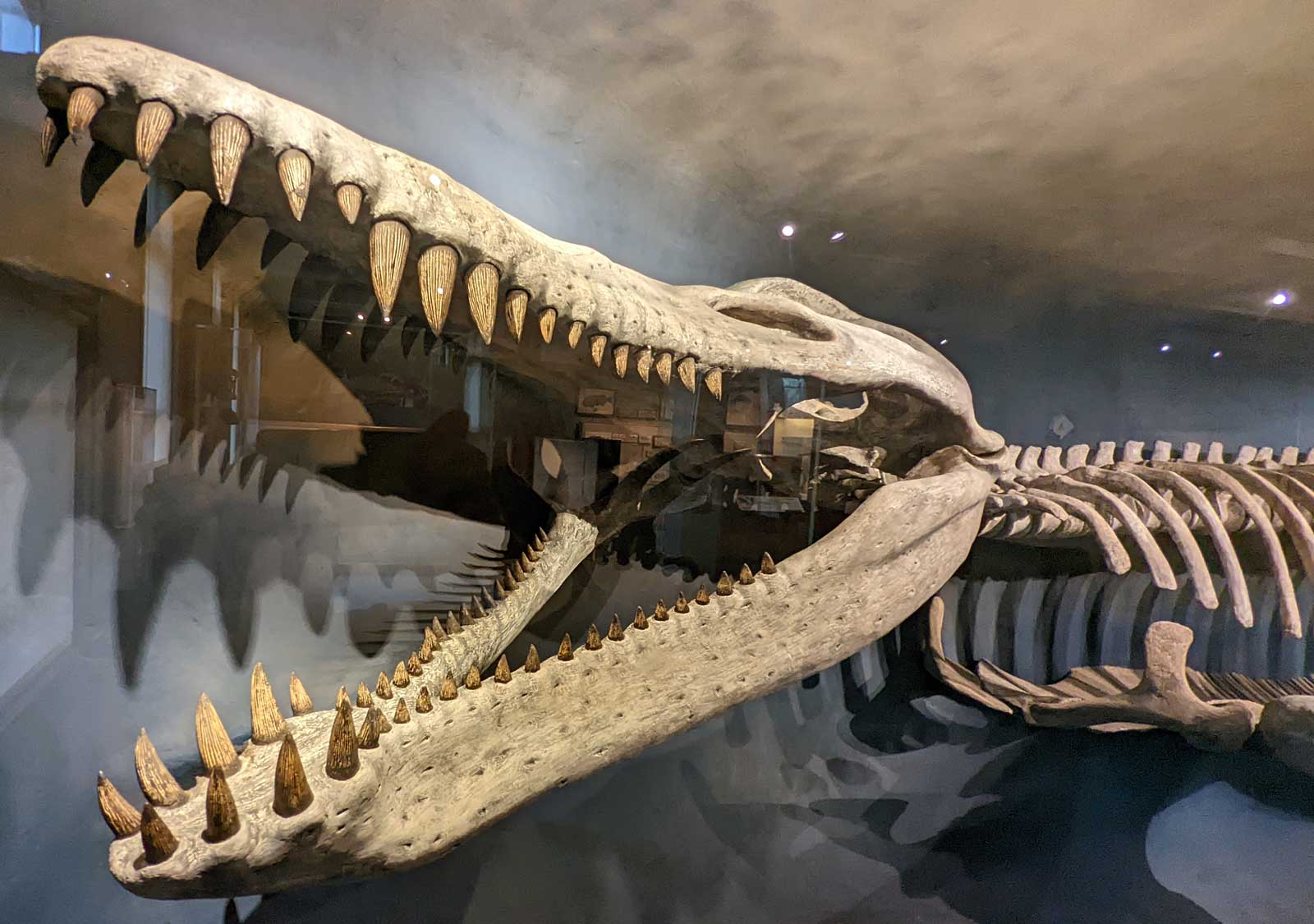
Kronosaurus Fossil at Harvard Museum


On display as of August 2022, at the Harvard Museum of Natural History in Cambridge, Massachusetts, USA is the fossil of a short neck pliosaur called Kronosaurus queenslandicus (Longman, 1924) [MCZ 1285]. The creature swam in the early Cretaceous Period seas (135 million years ago). It was found by an Australian rancher R.W.H. Thomas and shown to a member of the 1931-1932 Harvard Australian Expedition William E. Schevill (1906-1994). They were able to dynamite the limestone nodules out and then ship them back to Harvard. After Godfrey Lowell Cabot (1861-1962) provided the financing to prep the fossil, it was put on display in 1959.

Part of the skull, backbone, and paddles had weathered away but were able to be restored. About 30% of the fossil is plaster restoration and original bones are coated in plaster to protect the fossil. It appears the reconstruction has too many vertebrate so the 12.8 meter (42 ft) display should probably only be about 9-10.9 meters (30-36 ft). Also genus and species of this fossil should now be Electus longmani (Noe and Gomez-Perez, 2022).


Sunday, July 31, 2022

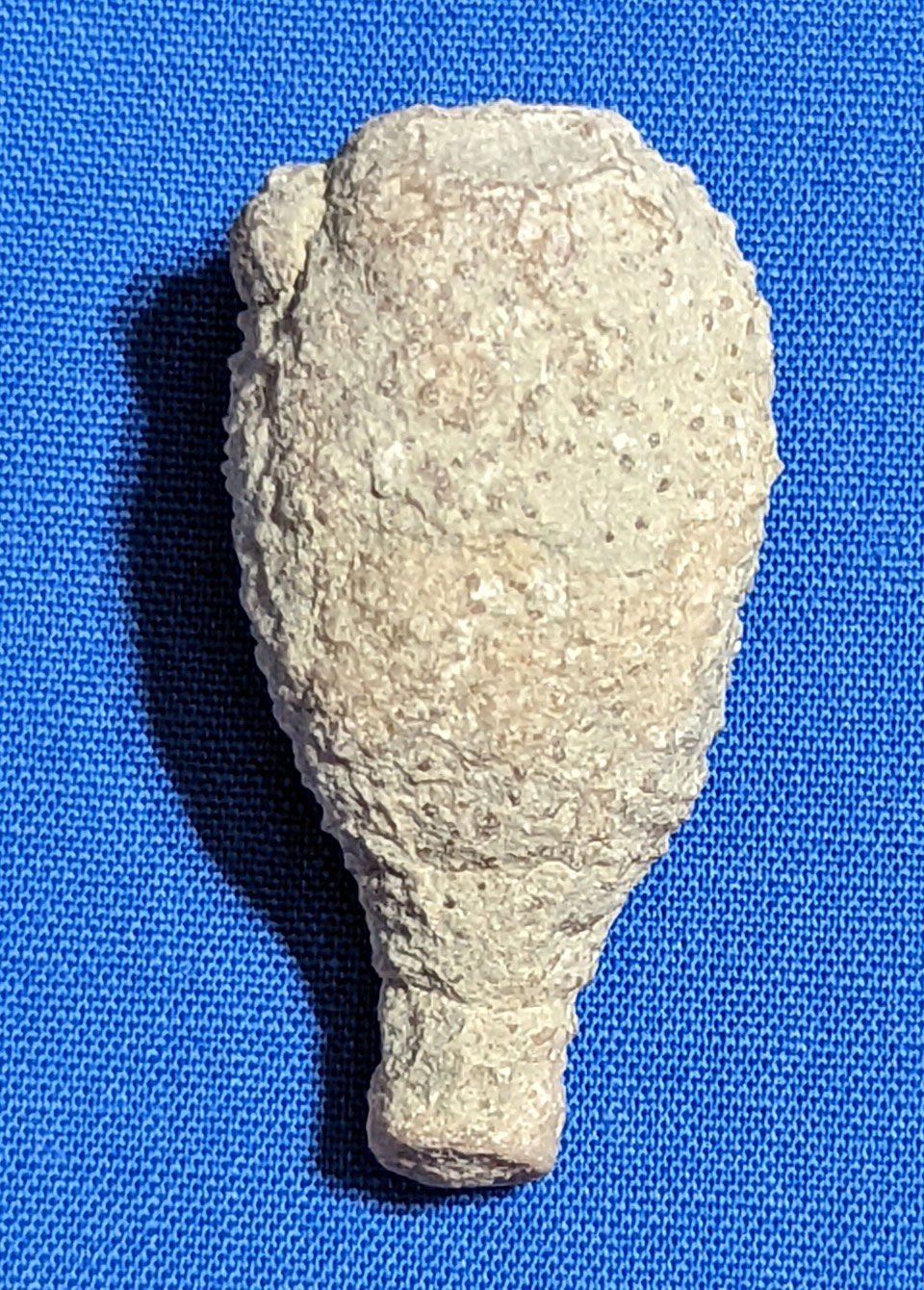
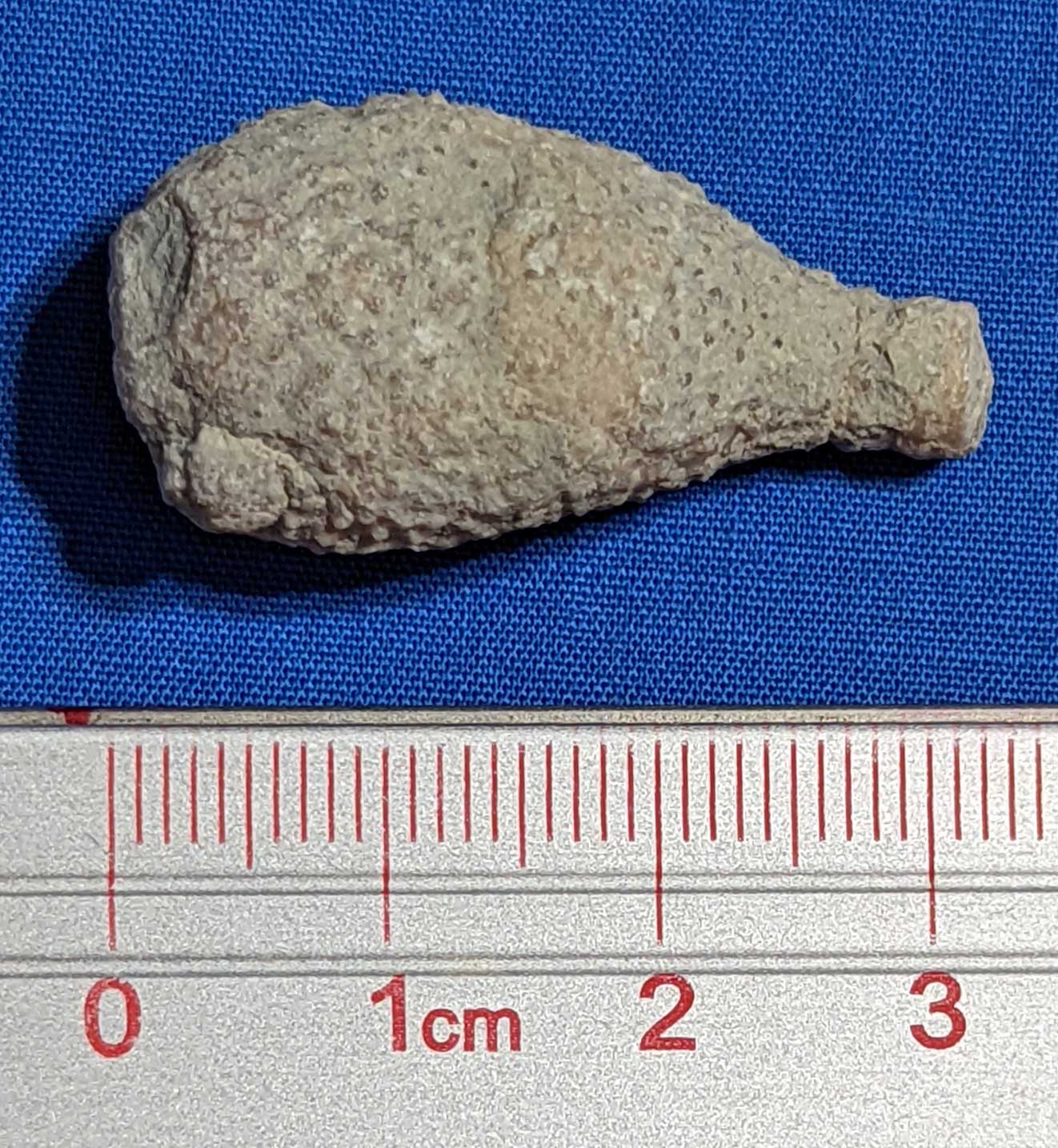
Holocystites Cystoid Fossil


Earlier this month, I was able to attend a field trip to Napoleon, Indiana USA. While there, I found this fossil which appears to be a Holocystites cystoid. It dates to the Silurian Period  (Telychian to Sheinwoodian stage) in age. The locality is world famous for this type of fossil. It has not been prepped yet which would reveal is detailed surface texture and plates.

According to Dr. James Thomka, professor at SUNY Plattsburgh, it is "from the mudstone lithofacies of the Massie Formation (long known as the "upper Osgood shale"), which is renowned for its 'cystoid' fauna."


Wednesday, June 29, 2022

Siphonophrentis gigantea Horn Coral on Display in Paris


I revisited pictures from my trip to Paris in 2016. This set of fossils are special in that they were found at the Falls of the Ohio, Clark County, Indiana USA. It was on display at the Muséum National D'Historie Naturelle Jardin Des Plantes Paléontologie et Anatomie Comparée in Paris France.The fossils were identified as Siphonophrentis gigantea (Lesueur, 1821). They are now known as Siphonophrentis elongata (Rafinesque and Clifford, 1820). Fossils date to the Middle Devonian Period.

You can see a picture of this fossil from 2009 in this posting:

https://louisvillefossils.blogspot.com/2009/09/visit-to-museum-of-natural-history-in.html

The genus was renamed from Zaphrentis to Siphonophrentis by Dr. Marjorie O'Connell in 1914. Click on her name to read about her interesting yet short career in paleontology I wrote about March 2021.